
Behind the mask… remembering who you are.
A grace-filled reflection for 2026
By late January, most of us have settled into the rhythms of the new year. We’ve reflected, evaluated, and probably tried out a few “resolutions.” For a couple of weeks, things often go well. Then reality hits. Stress returns. Old patterns reappear. And we find ourselves back in a familiar cycle: try harder → do better for a moment → wear out → start again.
This pattern is so common that the second Friday in January is called “Quitters Day,” when many resolutions are abandoned. And year after year, the top resolutions hardly change: eat better, exercise more, get organized, be less stressed, try harder. Our strategies evolve. Our determination fluctuates. But our deepest patterns remain remarkably consistent. Why? Because New Year’s resolutions often reveal not just what we want to change, but how we’ve learned to survive.
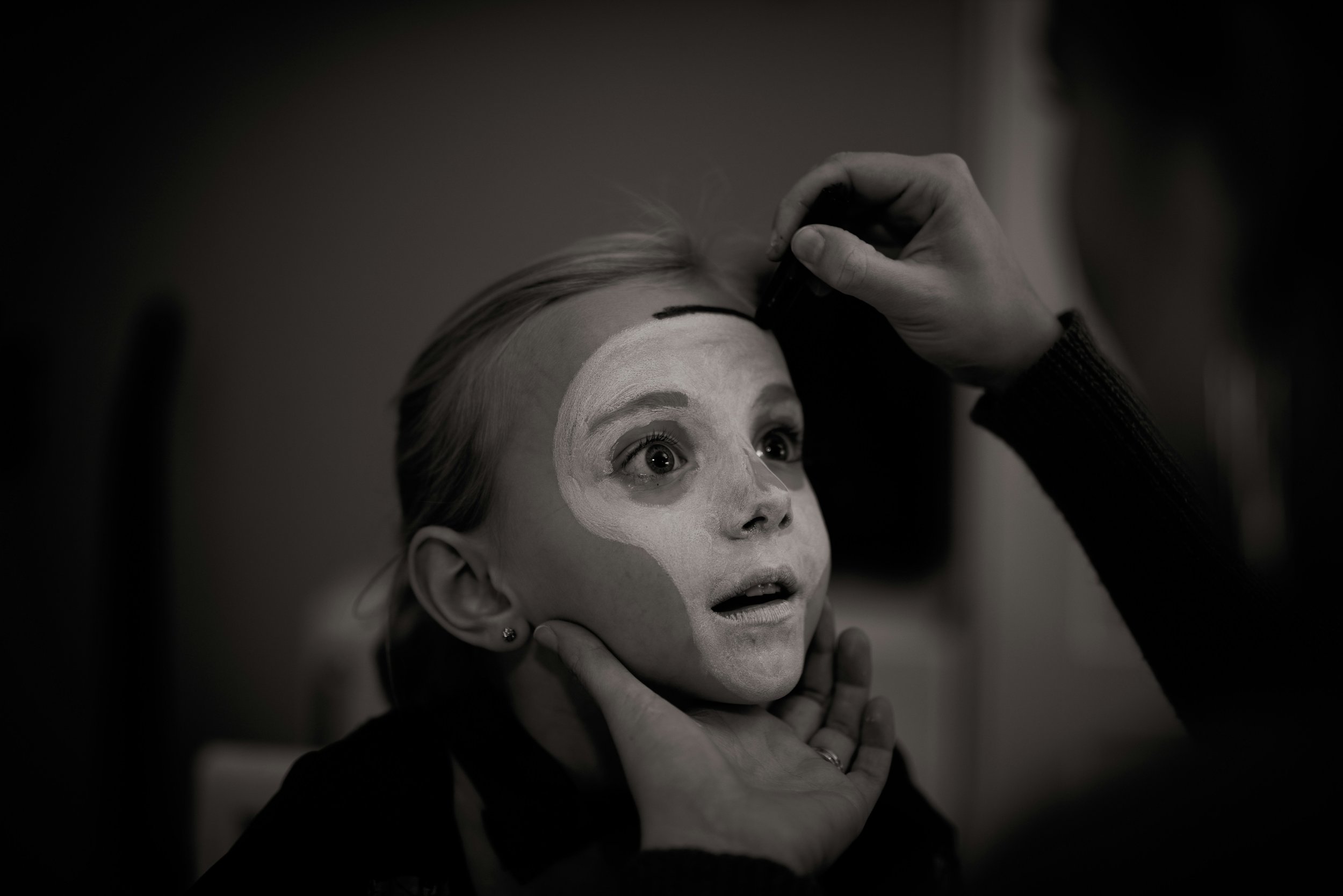
Most of us carry a mask, not something we intentionally chose, but something we developed out of necessity. It helps us survive. It’s the version of us that learned how to stay safe, gain approval, and manage pain in a broken world. For some, that mask looks like being strong and dependable. For others, it’s achievement, control, humor, spirituality, people-pleasing, self-reliance, or “having it all together.”
At first, the mask helps. It works. It keeps the peace. It earns affirmation. It helps us cope.

But over time, something subtle happens: The mask stops feeling like something we use… and starts feeling like who we are. We don’t think, This is how I cope. We start thinking, This is me. And that’s the deeper problem, not that we wear masks, but that we forget we’re wearing them. So when God invites us to change, it feels frightening, not because He’s cruel, but because it feels like He’s asking us to let go of “ourselves.” But often, what we’re holding on to isn’t who we truly are—it’s our best attempt to feel safe. This is why real change is so difficult. Not because we lack discipline, insight, or sincerity, but because we keep trying to improve the mask instead of removing it.
We see this in recovery, counseling, and even church life. We reach for better habits, better theology, better spiritual practices. These can be good gifts, unless we use them to reinforce a false identity. And we do that more than we realize. We start treating coping skills as a foundation rather than a tool.
“If I can manage my emotions better, I’ll finally be okay.”
“If I can get disciplined enough, I’ll feel peace.”
“If I can control my environment, I’ll feel safe.”
“If I can present well, I’ll be loved.”
But here’s the hard truth:
Self-improvement can become a sophisticated way of hiding. A better mask. A shinier version of survival. And it still doesn’t bring the deep rest we’re craving. It’s not that common resolutions are bad. Many of them are wise. But beneath them is usually a deeper longing:
If I can manage myself better, maybe I’ll feel safer.
Maybe I’ll feel more at peace.
Maybe I’ll finally be okay.
That longing isn’t wrong. It’s human. The question is: Where are we placing our hope? When hope rests on self-management, we stay trapped in a cycle of striving and disappointment. We long for rest but feel compelled to perform. We crave connection but feel the need to prove our worthiness first. The mask keeps promising life, but quietly drains it away. God tells a different story.
Your truest identity is not something you achieve. It’s something you receive.
You are known before you are formed.
Loved before you are healed.
Called before you are worthy.
God did not wait for you to get your life together. He stepped into your mess, your fear, your coping, and your shame, and met you there. Emmanuel, God with us, means you do not have to become someone else to be loved. So maybe the invitation of the new year isn’t “Try harder.” Maybe it’s “Come home.” Not to a better version of yourself—but to the truest version of you: the you God names, the you Christ has redeemed, the you the Spirit is restoring (sanctification).

This matters so much in counseling and recovery. Coping skills can be deeply helpful. Boundaries, emotional regulation, honest community, sober rhythms, healthier routines, these are real gifts. But coping skills make a terrible savior. They can support you, but they cannot secure you. When your foundation is “I can handle life,” eventually, life will prove otherwise. But when your foundation is “I belong to Christ,” your skills become what they were always meant to be: tools for faithful living, not proof of your worth.
This matters so much in counseling and recovery. Coping skills can be deeply helpful. Boundaries, emotional regulation, honest community, sober rhythms, healthier routines, these are real gifts. But coping skills make a terrible savior. They can support you, but they cannot secure you. When your foundation is “I can handle life,” eventually, life will prove otherwise. But when your foundation is “I belong to Christ,” your skills become what they were always meant to be: tools for faithful living, not proof of your worth.
You don’t practice skills to earn love.
You practice skills because you are loved.
You don’t pursue growth to become acceptable.
You pursue growth because you already are accepted.
What if this is the year you stop polishing the mask… and start resting in being known? Freedom does not come from trying harder.
It comes from trusting deeper. From letting go of what you’ve been using to survive—and placing your hope in the One whose love is relentless, faithful, and unstoppable.
Let your resolution be rooted in Scripture. Here’s an example from Ephesians 2:
This year, I will step forward in faith, resting in the grace by which I have already been saved, releasing the burden of self-effort, and trusting that I am God’s handiwork, created in Christ Jesus to walk freely into the good works He has already prepared for me.
Amen.