

Ten Times Stronger: A New Opioid, an Old Lie, and a Greater Love
Every decade seems to bring a new drug to fear. In the '80s it was crack cocaine. In the '90s, meth spread through rural towns while OxyContin reached pharmacy shelves. By the 2000s, prescription opioids had quietly taken hold of families across the country. In the 2010s, many who could no longer get pills turned to heroin, and then to fentanyl. Each wave has been cheaper and deadlier than the last.
Now there's a new name: cychlorphine (sy-KLOR-feen).

What's New
Early testing suggests cychlorphine may be up to ten times more potent than fentanyl. Standard fentanyl test strips don't detect it, and reversing an overdose can take several doses of naloxone. By July, researchers had linked it to at least 140 deaths across nearly 20 states and Canada, including more than 50 in East Tennessee alone. Experts believe the real number is higher.
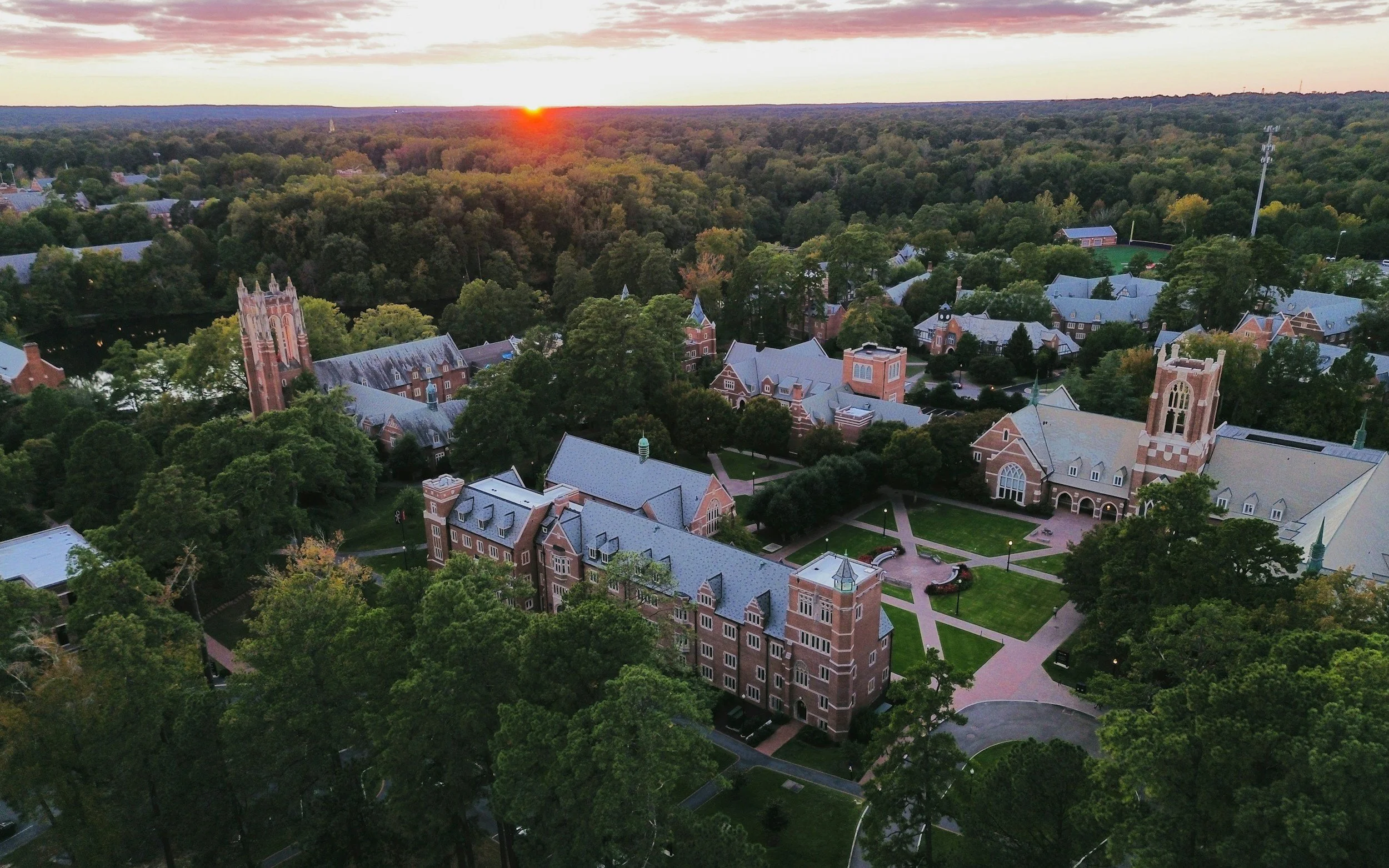
This story has come close to home. The University of Mississippi has confirmed that two students died over the weekend. Investigators have not yet determined a cause, and we won't guess at one. Two families are grieving someone they can't replace, and a campus is hurting. Please join us in praying for them. "The Lord is near to the brokenhearted" (Psalm 34:18).

Closer than the corner store
If you have a college student, please read this:
If you have a student in college, bring it up with them this week. You don't need a lecture. Start with a question: "Have you seen this stuff around? What do your friends think about it?" Remind them that anything not prescribed to them, or not from a trusted source, is a risk they can't measure.
Learn what kratom and 7-OH are and why the FDA warns against them →
The Back-and-Forth

Over the past twenty years, we've learned the rhythm. A dangerous drug appears and we respond. We tighten prescriptions, make naloxone available over the counter, hand out test strips and launch campaigns. Those efforts work. Overdose deaths, which topped 100,000 a year at their peak, fell to about 70,000 in 2025. Every one of those lives spared is a gift.
But the supply adapts, and something stronger arrives. We build a stronger defense, and the cycle starts over.
That's more than a pattern in public health. It's a picture of the human heart.
What We're Really Reaching For
Hardly anyone reaches for a substance because they want to be destroyed. Usually the first reach is for something good: relief, belonging, peace, a few hours of feeling okay. The goal is connection. But what we reach for can't give it to us. Over time, the thing that promised connection becomes the way we disconnect from pain, from people and from God.
That story is as old as the Bible's opening pages. In Genesis 3, the serpent doesn't start with the fruit. He starts with a question about God's heart: "Did God actually say…?" (Genesis 3:1). Underneath it is a two-part lie that has shaped every human life since:
You can't trust God with your deepest longings. He's holding out on you.
So you have to take care of yourself.
Eve "took of its fruit and ate" (v. 6). Right away, she and Adam felt exposed. Notice what they did next: "they sewed fig leaves together" and "hid themselves from the presence of the LORD God" (vv. 7–8).
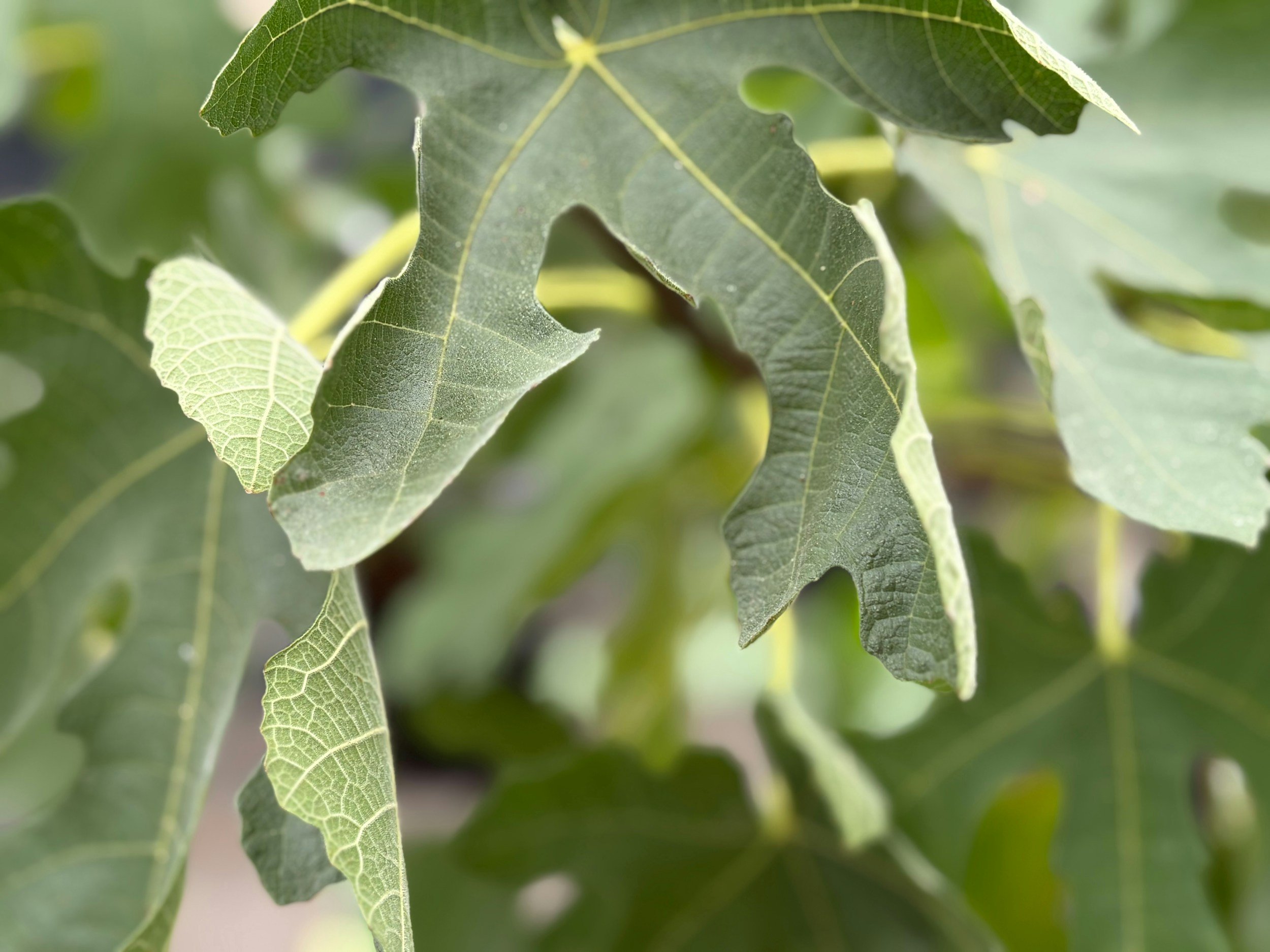
Fig leaves were the first coping strategy. They were humanity's first attempt to manage a problem instead of bringing it to God.
We've been sewing ever since. Some of our fig leaves come in a pill, and some come in a bottle. Many are more respectable: work, approval, control, a scrolling screen at midnight. The cycle between drugs and countermeasures is our own story written large. We see the problem, we sew a better covering, and we hide a little deeper.
Three centuries ago, the Puritan pastor Thomas Goodwin named what's really going on. He wasn't writing about drugs. He was writing about why people keep their distance from Christ:
"That which keeps men off is, that they know not Christ's mind and heart."
That's the lie from the garden, answered in one sentence. At bottom, the problem isn't a lack of willpower. It's that we don't know His heart.
So we ask the question the lie trains us to ask:
"So what do I do about it?"
It sounds responsible. But notice where it points: back to us, to one more fig leaf. What if the better question is a different one?
PART TWO
Where Is My Hope?

"What do I do?" leads us back to ourselves. "Where is my hope?" leads us out.
Look at what happened in the garden after the fig leaves. God didn't wait for Adam and Eve to fix themselves. He came looking for them: "But the LORD God called to the man and said to him, 'Where are you?'" (Genesis 3:9). Before the chapter ends, He replaced their flimsy coverings with His own: "And the LORD God made for Adam and for his wife garments of skins and clothed them" (v. 21).

That's the story the rest of the Bible tells. People keep believing the lie, and God keeps coming to rescue them. King David is one example. He saw what he wanted, and like Eve, he "took" (2 Samuel 11:4). Then he spent months sewing fig leaves to cover it. When he finally stopped hiding, he didn't offer God a better plan. He offered surrender: "The sacrifices of God are a broken spirit; a broken and contrite heart, O God, you will not despise" (Psalm 51:17).
God doesn't rescue us because we chose Him wisely or got lucky. He rescues us because He loves us. "For by grace you have been saved through faith. And this is not your own doing; it is the gift of God" (Ephesians 2:8).
The Heart the Lie Hides
Then God did the most astonishing thing of all. He came near to us Himself. In Jesus, the heart the serpent slandered stepped into plain view. Jesus touched lepers, ate with outcasts and wept at a friend's grave. When He described His own heart, He used only two words: "I am gentle and lowly in heart" (Matthew 11:29).
In Gentle and Lowly, Dane Ortlund asks what we're supposed to do with a truth like that. His answer: in the main, nothing. Asking how to "apply" Christ's heart misses the point, the way someone who wins a trip to a sunny beach doesn't stand on the balcony wondering how to apply the sunshine. They just bask in it.
There is one thing to do, and Jesus names it: "Come to me, all who labor and are heavy laden, and I will give you rest" (Matthew 11:28). Goodwin, who named our problem, also names the answer:
"The truth is, he is more glad of us than we can be of him.… O therefore come in unto him. If you knew his heart, you would."
Ortlund boils the Christian life down to two steps:
Go to Jesus.
See #1.
That isn't another fig leaf. It's the end of sewing them. The place where you feel most defeated is where He meets you: the relapse, the empty bedroom, the phone call you dread. In Ortlund's words, "Your anguish is his home."
The Lie Reversed
The garden lie said you can't trust God with your deepest longings, so you'd better take care of yourself. The gospel turns both halves upside down:
You can trust Him with your deepest longings. He gave His own Son to prove it (Romans 8:32).
You don't have to care for yourself alone. "Cast all your anxieties on him, because he cares for you" (1 Peter 5:7).
This is blessed dependence. "Apart from me you can do nothing," Jesus said (John 15:5). That isn't a burden. It's rest, and it brings a peace "which surpasses all understanding" (Philippians 4:7).

The next drug will come, and the countermeasures will follow, as they always have. We should promote the right countermeasures, because it can save a life long enough for that life to find hope. But our hope isn't in the next defense we build. Our hope is a Person who came looking for us in the garden, who still asks, "Where are you?", and whose heart is gentle and lowly toward the weary.
If you're carrying something heavy, whether for yourself or for someone you love, come to Him. If you'd like someone to walk with you, our counselors, our trained Guides (mentors) and support groups are here, whatever you believe. Call 205-217-7285 or visit unboundgrace.life.
We promise you safety, confidentiality, and NO condemnation.
Sources: Center for Forensic Science Research and Education; Knox County Regional Forensic Center; CDC/NCHS (May 2026); The Daily Mississippian (Sept. 22, 2026). Dane Ortlund, Gentle and Lowly (Crossway, 2020), 215–216, quoting Thomas Goodwin, The Heart of Christ in Heaven Towards Sinners on Earth. Scripture quotations are from the ESV.